
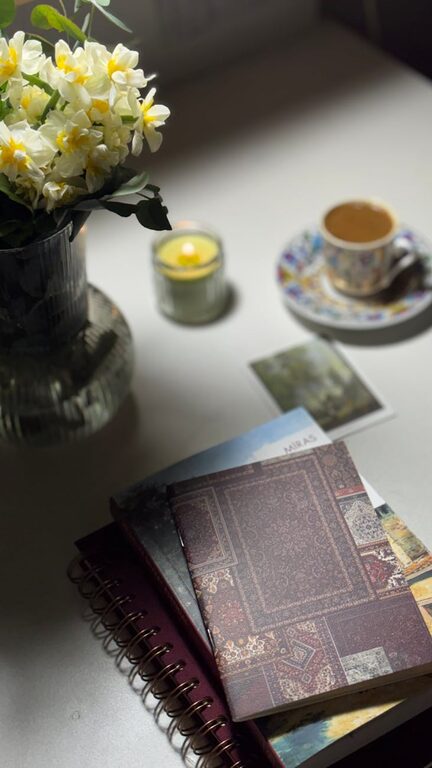
Choosing the right notebook might seem simple, but picking one that you’ll actually use regularly takes a bit more thought. Whether you want a journal, sketchbook, planner, or note-taking companion, the perfect notebook can boost your productivity and creativity. In this post, we’ll explore key factors to consider so you end up with a notebook that truly suits your lifestyle and preferences.
Why Choosing the Right Notebook Matters
A well-chosen notebook can motivate you to jot down ideas, track goals, or simply unwind with some creative writing. On the flip side, an ill-fitting notebook often ends up forgotten at the bottom of a drawer. To maximize your chances of regular use, it helps to think beyond just the cover design. Consider how you plan to use it — this will guide your decision on size, format, paper quality, and more.
—
Step 1: Identify Your Main Purpose
Before you start browsing, ask yourself what you want most from your notebook. Common uses include:
– Journaling: Daily reflections, gratitude lists, or diary entries
– Planning: To-do lists, goal tracking, or appointment scheduling
– Sketching: Drawing, doodling, or brainstorming ideas visually
– Taking Notes: For school, meetings, or personal learning
– Creative Writing: Stories, poetry, or songwriting
Knowing your primary purpose helps narrow down the many options available.
—
Step 2: Choose the Right Size and Format
Notebooks come in a variety of sizes and formats. Consider what’s most convenient for your lifestyle:
Size
– Pocket size (A6 or smaller): Portable and good for quick notes on the go
– Medium size (A5): Balanced size, great for most everyday uses
– Large size (A4 or bigger): Ideal if you need space for sketches or detailed notes
Binding and Cover
– Spiral binding: Pages lay flat and are easy to flip, but spiral rings can get damaged
– Perfect bound (book-like): Sleek and durable but may not lay flat
– Hardcover: Offers protection and durability, great for journaling or long-term use
– Softcover: Lightweight and flexible, easier to carry
Think about where and how you’ll use the notebook — a bulky hardcover might be perfect for a desk but less ideal for carrying daily.
—
Step 3: Consider Paper Quality and Type
Paper quality affects how your writing tools behave and how long the notebook lasts.
Paper Weight (Thickness)
– Measured in grams per square meter (gsm), common weights are 70–120 gsm
– Heavier paper reduces bleed-through and is better for markers or fountain pens
Paper Color
– White or cream paper affects visibility and eye comfort
– Lined, dotted, or blank pages support different activities like writing or drawing
Special Features
– Acid-free paper lasts longer without yellowing
– Recycled paper is eco-friendly but may vary in quality
If you like using markers, fountain pens, or colored pencils, testing paper smoothness and thickness can prevent frustration.
—
Step 4: Pick Your Preferred Page Layout
Page layouts can guide your writing or permit more freedom.
– Lined pages: Help keep your writing neat and straight
– Dot grid: Flexible for both writing and sketching; popular for bullet journaling
– Blank pages: Great for sketches, diagrams, or freeform writing
– Grid pages: Useful for charts, graphs, and precise drawings
Some notebooks offer mixed layouts or seasonal changes to suit different needs.
—
Step 5: Think About Extras and Features
Some notebooks come with helpful add-ons that can enhance the user experience:
– Page numbers: Useful for referencing notes
– Index or contents pages: Helps organize ideas, especially for journals or planners
– Pockets: For storing loose papers or stickers
– Ribbon bookmarks: For quick access to your current page
– Perforated pages: Easy to tear out without damage
These extras aren’t essential but can make using your notebook more enjoyable.
—
Step 6: Reflect on Your Aesthetic Preferences
While the utility is key, enjoying your notebook visually can inspire regular use.
– Choose colors, patterns, or covers that make you smile
– Personalize with stickers, pens, or covers if you like to get creative
– Consider the vibe you want — minimalist, colorful, vintage, or fun
If your notebook feels inviting, you’re more likely to pick it up regularly.
—
Step 7: Try Before You Buy (If Possible)
If you can, flip through notebooks in stores or borrow from friends. Notice how the paper feels when you write, how comfortable the size is, and how the notebook stays open. If buying online, read customer reviews and check return policies.
—
Bonus Tips for Using Your Notebook Consistently
– Set a routine: Write or draw in it at the same time each day
– Keep it accessible: Don’t stash it away; keep it on your desk or bag
– Pair it with your favorite pen: Having tools you love inspires use
– Set clear goals: Know what you want to achieve with your notebook
– Don’t worry about perfection: Use it as a creative tool, not a chore
—
Conclusion
Selecting a notebook that you’ll actually use is about matching it to your habits, needs, and style. Take time to consider size, paper, layout, and extras. With the right notebook in hand, you can enhance creativity, organization, or reflection. The reward is a versatile companion that supports your daily life — one page at a time.
Have any favorite notebook brands or tips? Feel free to share in the comments!