
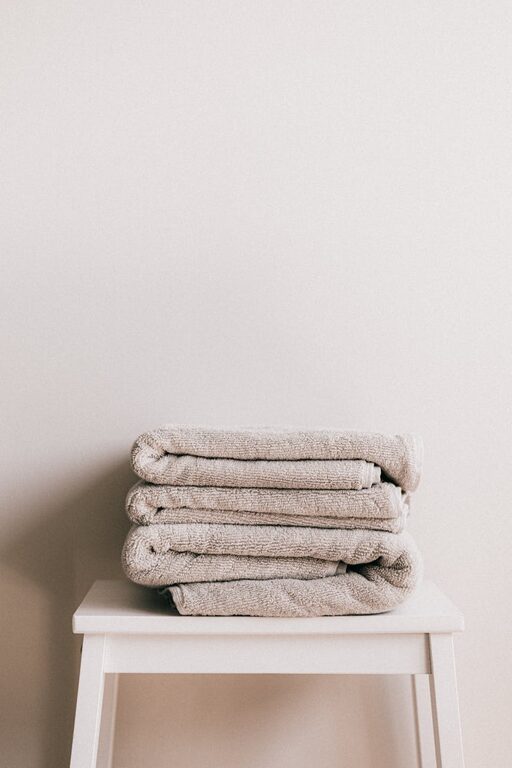
When it comes to home comfort, few things feel as cozy and luxurious as wrapping yourself in a fresh, fluffy towel. However, towels can quickly become rough, smelly, or lackluster if not cared for properly. The good news is that with some simple habits and smart laundry techniques, you can keep your towels feeling soft and looking fresh longer. Here are some practical tips to help you maintain fluffy, fresh towels that elevate your daily routine.
Why Do Towels Lose Their Softness?
Before diving into the tips, it’s helpful to understand why towels sometimes lose their fluffiness and smell. Towels are mostly made from cotton or other absorbent fibers designed to soak up water. Over time, residues from soap, detergent, body oils, and minerals in hard water can build up inside the fibers. This buildup reduces absorbency, causes stiffness, and triggers unpleasant odors.
Hard water minerals, such as calcium and magnesium, can leave towels feeling rough. Additionally, over-drying or using fabric softeners too often can coat fibers, preventing towels from staying soft and absorbent.
Tips for Keeping Towels Soft and Fluffy
1. Wash Towels Separately
Avoid washing towels with clothes or other fabrics. Washing towels separately allows for better rinsing and less lint transfer. Towels tend to shed fibers that can cling to other laundry, reducing overall softness.
2. Use the Right Amount of Detergent
Using too much detergent might seem like it would make towels cleaner, but it can cause buildup in the fibers. Use only the amount recommended on the detergent package, or even less if you have soft water. Excess detergent residue can make towels stiff and trap odors.
3. Avoid Fabric Softeners and Dryer Sheets
Although fabric softeners and dryer sheets smell nice and feel soft to touch, they actually coat towel fibers with a waxy substance. This makes towels less absorbent and can cause them to feel greasy or stiff over time.
4. Add White Vinegar to the Wash
White vinegar is a natural softener and deodorizer. Adding half a cup during the rinse cycle helps break down detergent residue, dissolve mineral buildup, and restore softness. It also kills odor-causing bacteria for fresher towels.
5. Use Baking Soda Occasionally
Baking soda helps neutralize odors and refreshes towels. Add half a cup along with your detergent for a deep clean. This also balances pH, which can enhance the effectiveness of your detergent.
6. Select the Right Wash Cycle and Water Temperature
Wash towels on a warm or hot water cycle to kill germs and remove buildup, but check the care label first to avoid shrinking. Using too cold water may not clean towels thoroughly, while excessively hot water can damage fibers.
7. Shake Towels Before Drying
After washing, give your towels a good shake to loosen clumped fibers. This helps them dry more evenly and keeps the fluffy texture intact.
8. Dry Towels Properly
Drying towels well is crucial. Overdrying can weaken fibers, while under-drying can leave a musty smell. Use a medium heat setting on your dryer and remove towels promptly once dry to prevent stiffness.
If you prefer air drying, hang towels in a well-ventilated area and spread them out fully. This slows drying but prevents mildew and odor.
9. Use Dryer Balls or Clean Tennis Balls
Throwing wool dryer balls or clean tennis balls into the dryer with your towels can help fluff them during drying. The balls bounce around and separate the fibers, restoring softness and reducing drying time.
10. Wash Towels Regularly
Frequent washing keeps towels fresh and free of bacteria. However, avoid washing them too often, which can wear them out sooner. Generally, washing every three to four uses is ideal unless towels start to smell or feel dirty sooner.
Additional Tips to Extend Towel Life
– Rotate Towels: Having a few sets of towels to rotate can reduce wear and help maintain softness.
– Avoid Bleach: Bleach damages fibers and causes discoloration. Opt for oxygen-based whiteners instead.
– Store Towels Properly: Keep towels in a dry, well-ventilated cabinet or shelf. Avoid damp storage areas to prevent mildew.
– Replace Towels When Needed: Even with the best care, towels wear out over time. When they lose absorbency, softness, and develop permanent odors, it’s time for replacements.
Conclusion
Keeping your towels fresh and fluffy isn’t complicated. By washing them correctly, avoiding harmful additives, and drying them properly, you can enjoy soft, absorbent towels every day. Incorporate these simple tips into your laundry routine to transform your towels from rough and stiff to plush and welcoming. After all, a great towel makes all the difference in your post-shower comfort. Happy laundering!